


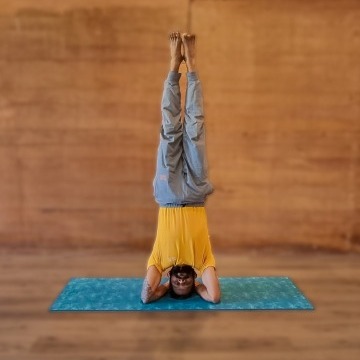
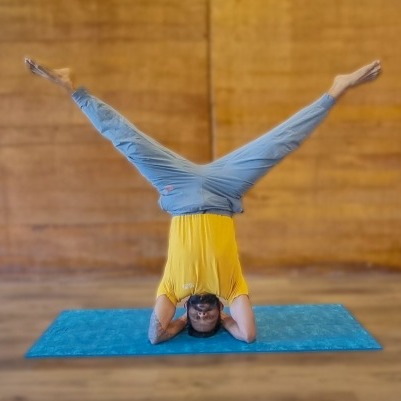
Vikram sat on his mat, watching his roommate Rohan kick his legs up against the bedroom wall, wobble violently, and crash straight into a laundry basket.
“What on earth are you attempting?” Vikram asked, shielding his morning coffee.
“Sirsasana! Headstand pose!” Rohan panted, rubbing his elbow. “I saw a video online saying if I hold this for five minutes a day, my brain power will double and my hair will stop graying. But my neck feels like an accordion.”
“You’re trying to build a roof before you’ve laid the foundation,” Vikram said. “Sirsasana isn’t a gymnastics stunt or a social media trick. In classical yoga, it’s called the King of Asanas—not because you force yourself upside down, but because of how it transforms your circulation, focus, and inner balance when done with proper alignment.”
“So I shouldn’t just kick up against the wall?” Rohan asked quietly.
“Unless you enjoy neck strain, absolutely not,” Vikram smiled. “Headstand requires shoulder strength, core engagement, and calm breath. Master those first, and gravity does the rest.”
If you’ve ever walked into a yoga class and watched someone casually balance on their head, you’ve met Sirsasana, the pose yogis have crowned “the king of asanas” for centuries. But is Sirsasana (Headstand) actually as powerful as its royal title suggests, or is it just really good at looking impressive on Social Media? Let’s find out, with a little help from ancient wisdom, modern science, and one very confused yoga student.
In this article, we’ll cover:
- What Sirsasana actually is, and why it’s called the king of asanas
- How to build up to it safely, step by step
- What the ancient texts say about inversions, and what modern research actually confirms (spoiler: it’s more nuanced than you think)
- A myth-versus-fact breakdown you can trust
- A wisdom nugget from Gurudev Sri Sri Ravi Shankar
- Where Sri Sri School of Yoga fits into your headstand journey
- Answers to the questions every beginner asks
What Exactly Is Shirshasana, and Why Is It Called the “King of Asanas”?
The word comes from the Sanskrit shirsha (head) and asana (posture), so Shirshasana simply means “a pose done on the head.” It’s called the “king of asanas” not because it’s the hardest pose in the room (though it certainly humbles a few egos), but because of how completely it engages the body, from the crown of the head to the tips of the toes, while training focus and stillness at the same time.
Classical hatha yoga literature, including the Hatha Yoga Pradipika (Chapter 3), describes inverted postures (Viparita Karani) as powerful tools to reverse the downward draw of vital energy (Prana) and balance the digestive fire (Agni). Ancient texts suggest that inversion helps preserve physical vitality by redirecting circulation toward the higher nerve centers.
It is genuinely an advanced posture, and every credible source agrees on one thing: it should be learned under the eye of a trained instructor.
How Do You Actually Build Up to Sirsasana?
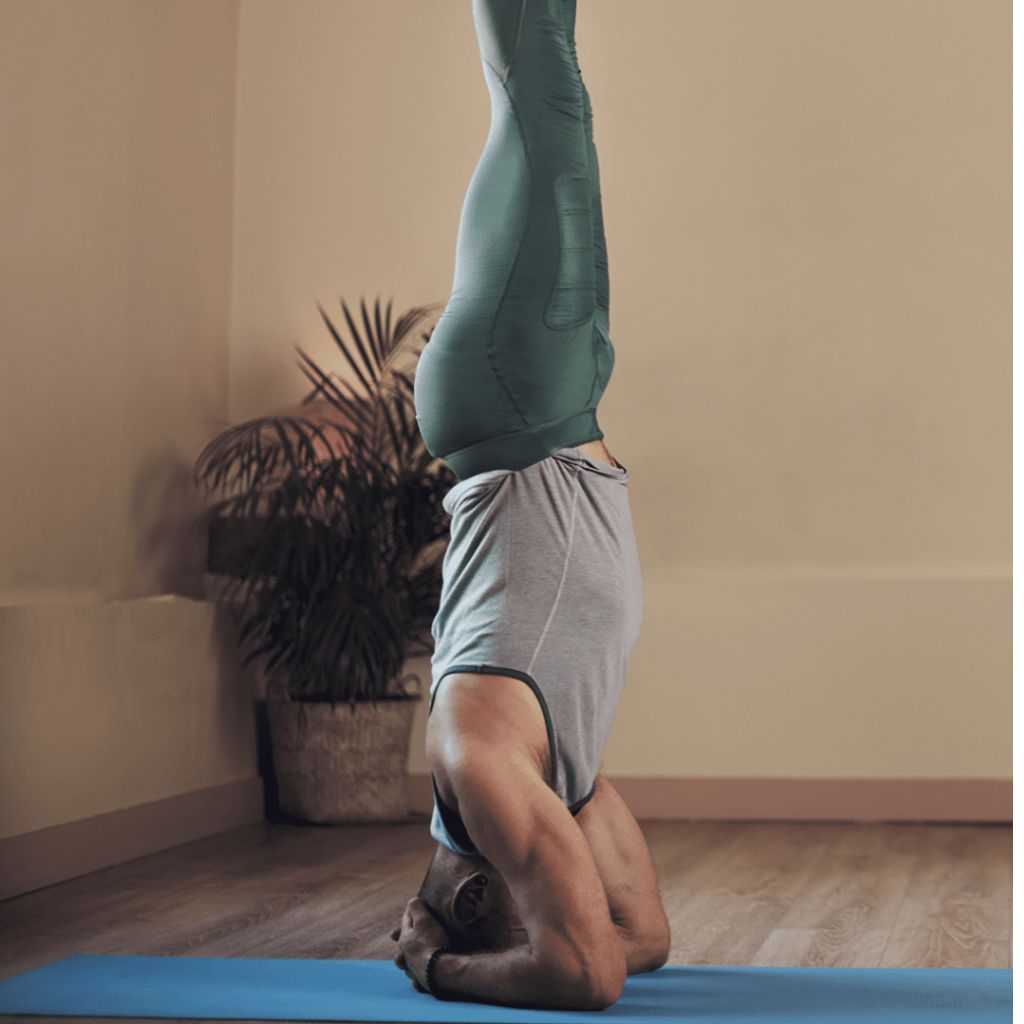
The traditional buildup includes preparatory poses like Dolphin Plank, Downward-Facing Dog, and Headstand against a wall, easing the shoulders, core, and neck into the load-bearing pattern the final pose demands, as outlined in The Art of Living’s beginner guide. The basic sequence looks like this: kneel in Vajrasana, interlace your fingers on the mat to form a triangle with your forearms, cradle the crown of your head between your palms, lift your hips, walk your feet in, and only then lift off, one leg at a time, ideally with a wall or a teacher nearby. Coming down is just as important as going up: settle into Child’s Pose (Shishuasana) to let your blood pressure and inner ear recalibrate before you stand.
Does Headstand Really “Send More Blood to the Brain”? Here’s the Honest Answer
This is where we get to be refreshingly honest instead of repeating yoga folklore. For decades, teachers have told students that inversions flood the brain with extra blood and oxygen. A 2019 ultrasound study published in the Journal of Alternative and Complementary Medicine actually measured blood flow through the internal carotid artery during headstand and found the opposite: in most healthy participants, flow briefly decreased, thanks to the brain’s own autoregulation system that keeps cerebral blood supply remarkably steady regardless of the body’s position (see the study on PubMed). That’s not a knock against the pose; it’s actually reassuring: your brain is built to protect itself, upside down or not. What Sirsasana does reliably deliver is improved venous and lymphatic drainage from the legs and pelvis, a genuine full-body strength challenge for the shoulders, core, and neck stabilisers, and a mental focus that comes from having to be completely present (nobody’s mind wanders in a headstand).
| Popular Belief | What’s Actually Verified |
| “It floods your brain with extra blood” | Cerebral blood flow briefly drops and self-regulates; brain blood supply stays protected either way (PubMed, 2019) |
| “Anyone can do it with a YouTube video” | Classified as an advanced pose requiring supervised progression (Art of Living) |
| “It’s purely a strength pose” | It builds strength, but its deeper traditional purpose is concentration and stillness (dharana) |
| “It’s a modern gym trick” | Rooted in classical hatha yoga inversion practices dating back centuries |
What Do the Ancient Texts Say About Turning the Body Upside Down?
Long before yoga studios had mirrors, hatha yoga texts like the Hatha Yoga Pradipika were already fascinated by inversions. They describe a related practice, Viparita Karani (“the inverted action”), as a way to counteract the body’s natural downward pull of energy, described poetically as preserving a subtle “nectar” believed to sustain vitality (see this overview of Viparita Karani in the Hatha Yoga Pradipika). Headstand is considered one of the classical expressions of this same inverted principle. Strip away the poetic imagery and the practical wisdom still holds up: reversing the body’s usual orientation, even briefly, changes how fluids move, how the nervous system settles, and how the mind pays attention. Ancient yogis observed the effect centuries before modern doctors could explain the mechanism, and that’s a pretty remarkable head start.
As Gurudev Sri Sri Ravi Shankar puts it, “Yoga is a study of life, study of your body, breath, mind, intellect, memory, and ego; study of your inner faculties.” Sirsasana is a perfect example of that study in action, quite literally turning your usual perspective upside down to see life a little differently.
If you’re the kind of person who’d rather be guided into your first headstand than wing it alone, this is exactly the kind of progression Sri Sri Yoga Classes build toward, step by step, breath by breath, under teachers trained to spot the wobble before it becomes a face plant.
What Are the Core Benefits of Practicing Sirsasana?
When practiced with correct alignment under qualified guidance, Sirsasana offers distinct physical, physiological, and mental benefits:
- Enhances Mental Clarity & Focus: By increasing arterial blood flow to the brain, headstand promotes alertness, reduces mental fatigue, and sharpens concentration.
- Strengthens the Upper Body & Core: Holding the pose engages the deltoids, rhomboids, serratus anterior, and deep abdominal muscles to protect the neck and stabilize the spine.
- Promotes Venous Return: Reversing gravity assists lymphatic drainage and venous blood flow from the lower extremities back to the heart, relieving tired legs.
- Builds Psychological Resilience: Overcoming the instinctual fear of falling upside down cultivates emotional composure and nervous system balance.
Who Should Be Cautious With Sirsasana?
Headstand is an advanced inversion and is not suitable for everyone. You should avoid Sirsasana if you have:
- High blood pressure or cardiovascular conditions
- Cervical spine issues, neck injuries, or severe arthritis
- Glaucoma or ocular conditions affected by increased intracranial pressure
- Active migraines, vertigo, or during menstruation
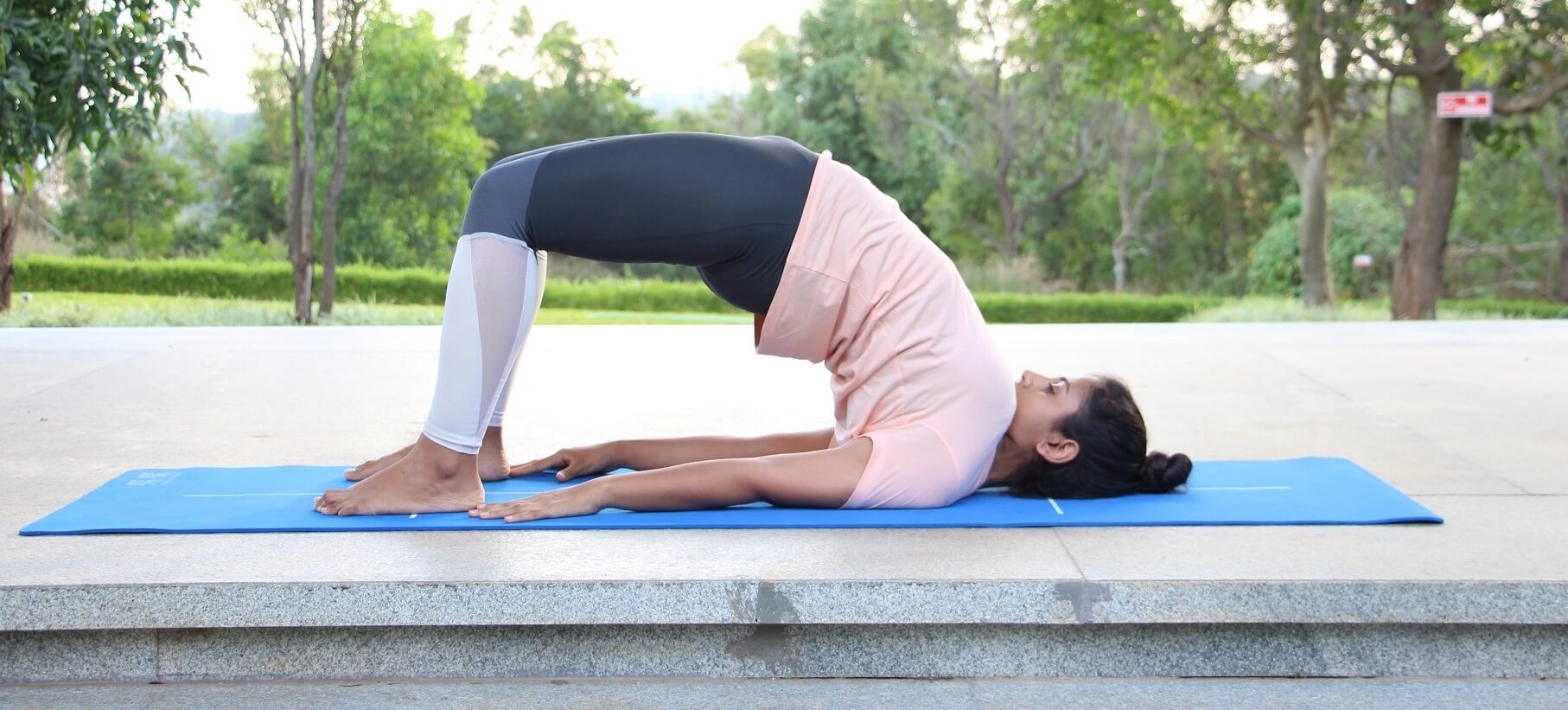
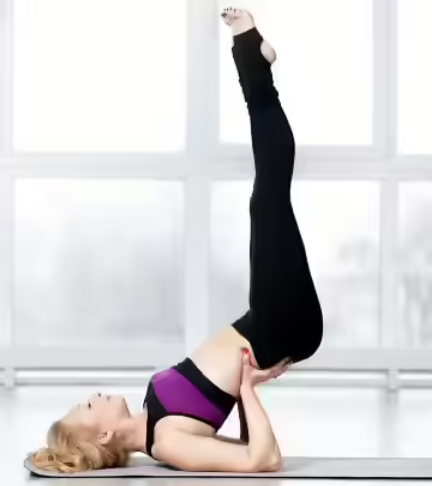
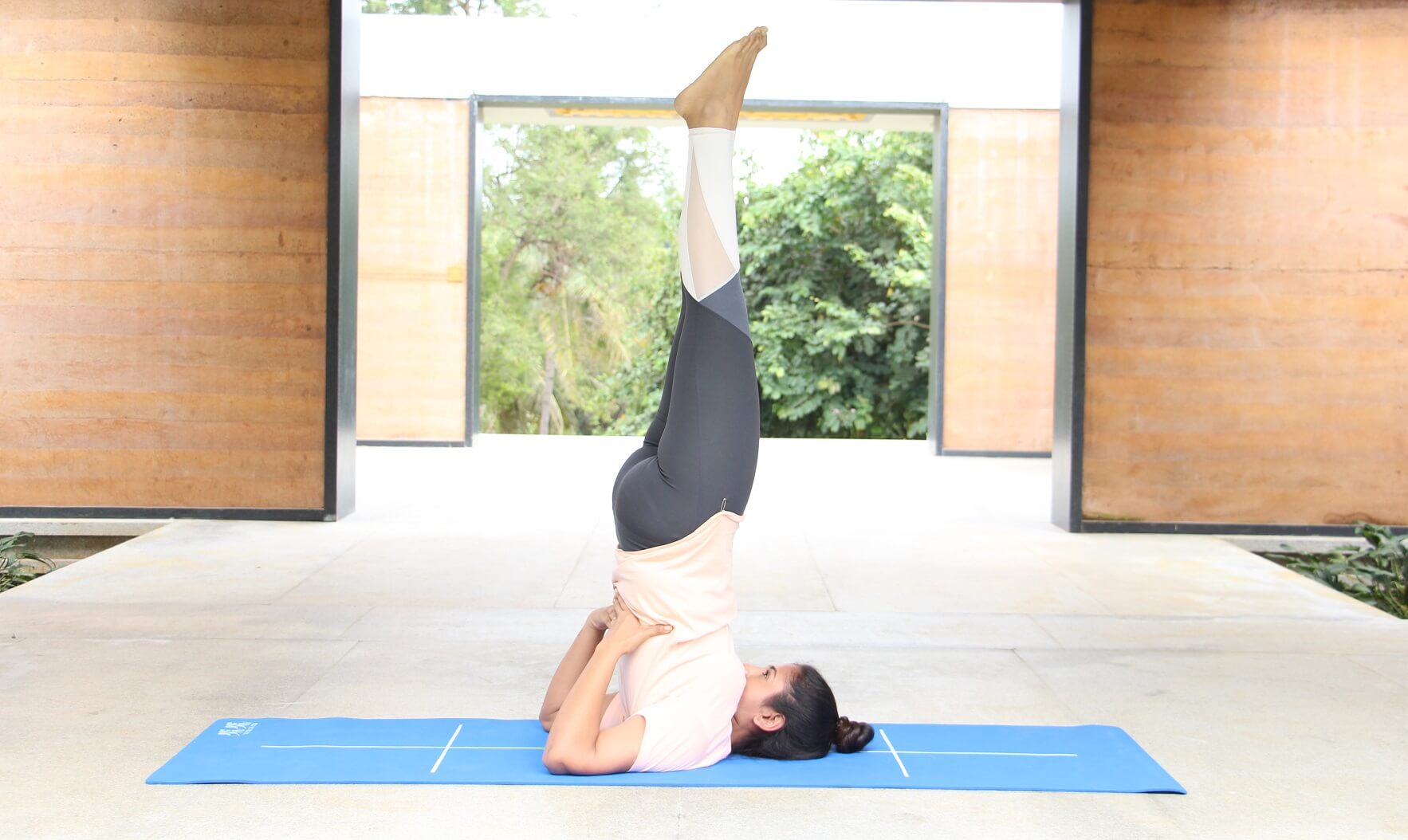
If any of these apply to you, gentler inversions like Viparita Karani(Legs-Up-The-Wall Pose) or Bridge Pose provide similar circulatory benefits without compressing the cervical spine.
Ready to Actually Learn It Properly?
Reading about a headstand and doing one safely are two very different things, just ask Rohan and his startled cat. If you’d like to build up to Sirsasana the right way, with trained teachers who understand both the biomechanics and the deeper yogic intent, explore Sri Sri Yoga Classes or go deeper with the 200-Hour Yoga Teacher Training Course, where inversions like this one are taught with the full weight of scripture, anatomy, and genuine patience behind them.