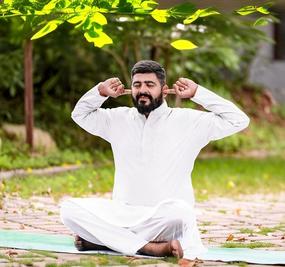


“Yoga isn’t just for people who can touch their toes,” I told my friend Rohan last Tuesday. He was currently huddled under a thick blanket in Mumbai’s 32-degree heat, surrounded by a fortress of tissues and ginger tea.
“I’ve tried every vitamin from A to Z,” he sniffled, sounding like a broken tuba. “Why is my immunity still on a permanent vacation?”
I pulled up a chair. “Rohan, you’re trying to fix the house while the windows are wide open in a storm. You’re nourishing the body, but are you charging the battery? In Yoga, we don’t just look at the physical cells; we look at Prana—the life force. If your Prana is low, your defense system is basically a ‘Gone Fishing’ sign.”
“So… I have to stand on my head to stop sneezing?” he asked, looking genuinely terrified.
“Not at all,” I laughed. “You just need to breathe. But you need to breathe like you mean it.”
In a world where we are constantly exposed to new environmental stressors and seasonal bugs, the quest for “immunity” has become a billion-dollar industry. We drink the juices, take the supplements, and wear the masks. But the most sophisticated pharmacy in the world is already inside you—it’s just waiting to be activated.
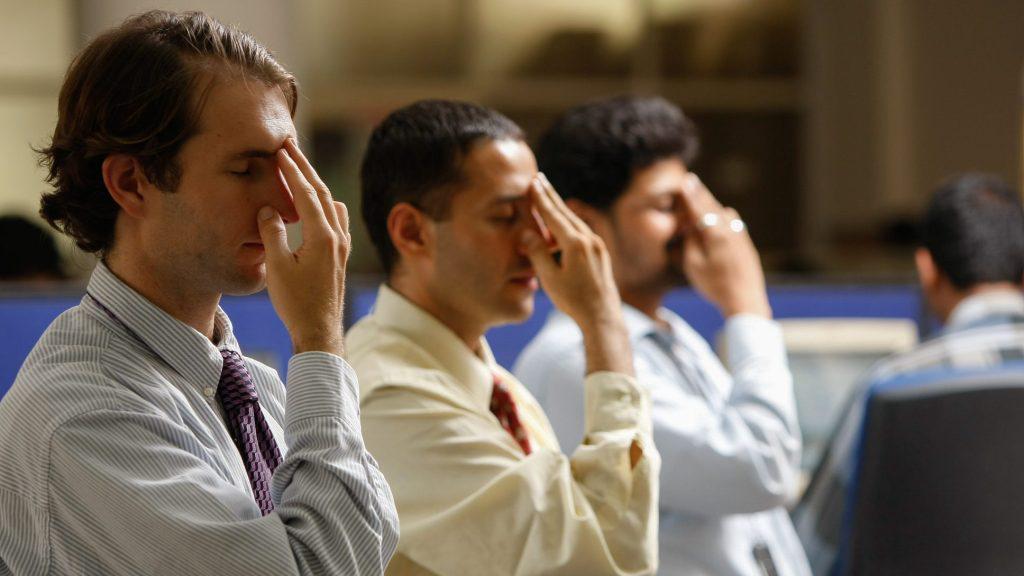
In this article, we’ll explore:
- The science of how breath regulates the immune system.
- Bhastrika: The bellows breath for instant energy.
- Nadi Shodhan: The ultimate balancer for physical and mental harmony.
- Ujjayi: The “Victorious Breath” that guards your respiratory health.
- How to integrate these into a daily routine for long-term resilience.
Why Does Breath Matter for Immunity?
Most of us use only about 30% of our lung capacity. This shallow breathing keeps the body in a state of low-level “emergency,” signaling the brain to stay in the sympathetic nervous system (fight or flight).
When we practice Pranayama, we stimulate the Vagus Nerve. Think of the Vagus nerve as the “internal internet” that connects the brain to the heart, lungs, and digestive tract. When this nerve is stimulated through deep, rhythmic breathing, it triggers the parasympathetic nervous system, allowing the body to focus its resources on repair and defense.
Research published in the Journal of Alternative and Complementary Medicine shows that regular yoga works at a cellular level. The study found that consistent practice boosts the body’s natural ‘cleanup’ system (antioxidants) and strengthens our immune defenses, helping the body handle stress and stay healthy more effectively.
At the Sri Sri School of Yoga, we teach that a strong immune system is the byproduct of high Prana (energy) and a calm mind. When you are stressed, your body produces cortisol, which acts like a “mute” button for your immune response. By using specific breathing techniques, we flip the switch back on.
When our Prana is high, there is a sense of well-being. When the Prana level goes down, we feel depressed, or we feel sick. So, the key to health and happiness is to keep the Prana level high.
~ Gurudev Sri Sri Ravi Shankar
1. Bhastrika Pranayama
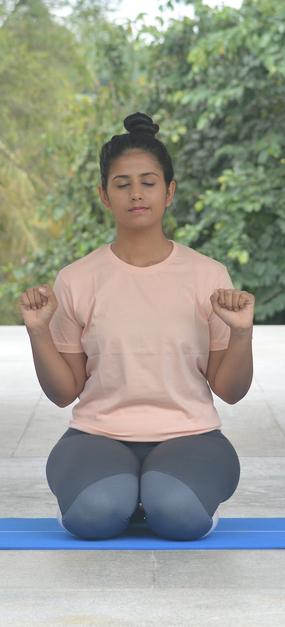
If your immunity feels sluggish, Bhastrika is your “wake-up call.” It involves a powerful, rhythmic inhalation and exhalation that mimics a blacksmith’s bellows.
- How it builds immunity: Bhastrika generates internal heat (Tapas). This “fire” helps in clearing the respiratory tract of phlegm and toxins. It increases the oxygen levels in the blood, ensuring that every cell in your body is “ventilated” and energised.
Who Should Avoid Bhastrika? (Crucial Precautions)
While Bhastrika is a “powerhouse” for immunity, it is a dynamic practice that requires a stable foundation.
If you fall into any of the following categories, please skip Bhastrika and focus on the gentle Nadi Shodhan instead:
- During Pregnancy & Menstruation: The vigorous abdominal pumping creates significant intra-abdominal pressure. To keep the system calm and steady, we advise women to avoid Bhastrika during their cycle and throughout pregnancy.
- High Blood Pressure or Heart Conditions: Because Bhastrika temporarily increases the heart rate and blood flow, it can put undue strain on the cardiovascular system. If you have hypertension or any heart-related concerns, stick to cooling, slow-paced pranayamas.
- Recent Surgeries: If you have had abdominal, thoracic, or even brain surgery in the last 6 months, your tissues are still in the “repair phase.” The pressure from the “bellows” breath can interfere with healing or strain stitches.
- Hernia or Gastric Ulcers: The forceful movement of the diaphragm can aggravate these conditions.
- Glaucoma or Increased Eye Pressure: The pressure transitions during forceful breathing can affect the delicate blood vessels in the eyes.
- Vertigo or Epilepsy: The rapid oxygen exchange can occasionally trigger dizziness or seizures in sensitive individuals.
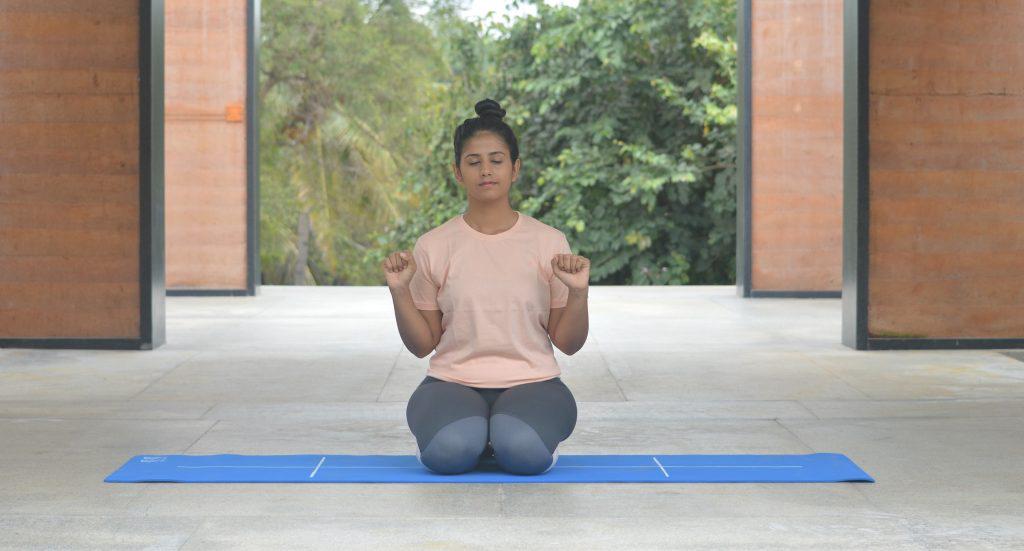
How to Practice Safely
Even if you don’t have the conditions mentioned above, keep these SSSY Gold Rules in mind:
- The “Empty Stomach” Rule: Never practice Bhastrika immediately after a meal. Wait at least 3–4 hours after a heavy meal.
- Listen to the “Dizzy Signal”: If you feel lightheaded, stop immediately. It’s your body’s way of saying the pace is too fast. Lie down in Shavasana (Corpse Pose) and let your breath return to normal.
- No Force: The breath should be “vigorous yet effortless.” If you find yourself straining your face or shrugging your shoulders aggressively, you are trying too hard. Keep the face relaxed—yoga is a smile for the soul, not a grimace for the body!
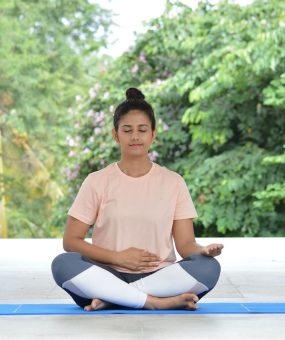
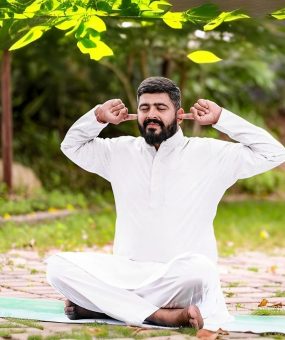
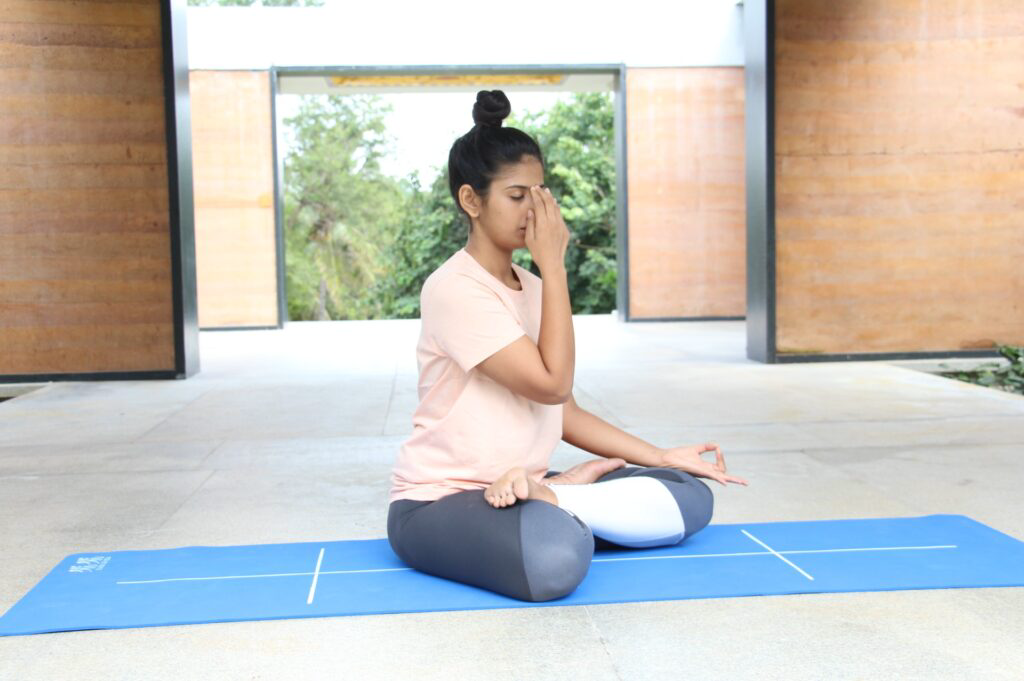
2. Nadi Shodhan
Also known as Alternate Nostril Breathing, Nadi Shodhan is perhaps the most essential practice for a modern lifestyle. Our bodies have 72,000 nadis (energy channels), and when these are blocked by stress or poor diet, our immunity dips.
- How it builds immunity: It brings the mind to the present moment. By balancing the left (cooling/intuitive) and right (heating/logical) hemispheres of the brain, it brings the entire endocrine system into a state of homeostasis. When your hormones are balanced, your immune cells function at their peak.
- Research indicates that slow-paced breathing like Nadi Shodhan improves autonomic nervous system function, making you more resilient to external stressors.
3. Ujjayi Pranayama: The Victorious Breath
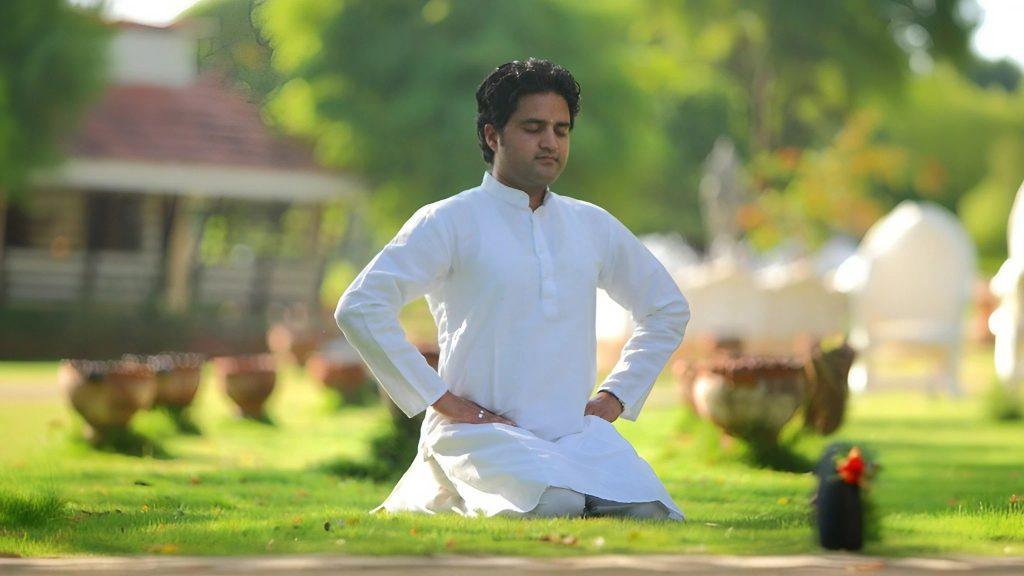
Often called the “Ocean Breath” because of the soft whispering sound it creates in the throat, Ujjayi is a subtle yet profound tool for respiratory defense.
- How it builds immunity: By slightly constricting the glottis, you create a gentle resistance. This warms the air before it reaches the lungs and stimulates the thyroid gland, which plays a key role in metabolic health and immune function. It is particularly effective for those prone to throat infections or allergies.
- At Sri Sri School of Yoga, we emphasize the “effortless effort” in Ujjayi. It shouldn’t sound like a steam engine; it should be as smooth as a silk thread.
How SSSY Makes the Difference
You can learn the mechanics of a breath from a book, but you learn the spirit of Pranayama from a Master. At the Sri Sri School of Yoga, our teachers are trained not just in anatomy, but in the subtle art of energy management.
Our Teacher Training Courses are designed to take you from a practitioner to a guide, helping you understand how to tailor these breaths for different body types (Prakriti) and seasons. Whether you are looking to deepen your own immunity or help a community thrive, our programs provide a deep-dive into the authentic Vedic roots of these practices.
Frequently Asked Questions (FAQs)
1. Is it better to practice these on an empty stomach?
Yes. For all Pranayama, an empty stomach (usually 2-3 hours after a meal) is essential to allow the diaphragm to move freely.
2. Can I practice Bhastrika if I have high blood pressure?
If you have high blood pressure or heart issues, you should avoid the forceful version of Bhastrika and stick to gentle Nadi Shodhan. Always consult an SSSY instructor for modifications.
3. How long does it take to see results in my immunity?
While you might feel more energetic after one session, structural changes in the immune response usually take about 4-6 weeks of consistent daily practice.
4. Can children practice these?
Nadi Shodhan and Ujjayi are great for children. Bhastrika is usually recommended for teenagers and adults.
5. What is the best time of day for Pranayama?
Brahma Muhurta (the time before sunrise) is considered ideal, but anytime you can find a quiet space is a good time!
6. Do I need a yoga mat for breathing?
You just need a comfortable seat where your spine is erect. A chair is perfectly fine if you can’t sit on the floor.
7. Can I do these while I am currently sick?
Gentle Ujjayi and Nadi Shodhan can be very supportive, but avoid vigorous Bhastrika if you have a high fever.
The Power of Guidance
Because of these nuances, we always recommend learning Bhastrika under the watchful eye of a certified instructor. In our Sri Sri Yoga Teacher Training, we spend hours learning how to “read” a student’s breath to ensure they are practising safely and effectively.