

Can Yoga Keep Your Heart Young?
Priya’s 44-year-old husband had just come home from a routine health checkup, looking like he’d seen a ghost.
“The doctor said my blood pressure is high and I need to ‘make lifestyle changes,'” he announced, collapsing onto the couch. “He also said, and I quote, ‘reduce stress.’ How? By quitting my job and moving to the mountains?”
Priya, who had been attending Sri Sri Yoga classes for a year, sat down next to him calmly. “You know what your problem is? You breathe wrong.”
He stared at her. “I’ve been breathing for 44 years.”
“Exactly,” she said. “And you’ve been doing it wrong the whole time.”
Three months later, the same doctor looked at his blood pressure numbers, looked at him, looked at the numbers again, and said, “Whatever you’re doing, keep doing it.”
The answer, by the way, was yoga.
What Do Ancient Scriptures Say About the Heart?
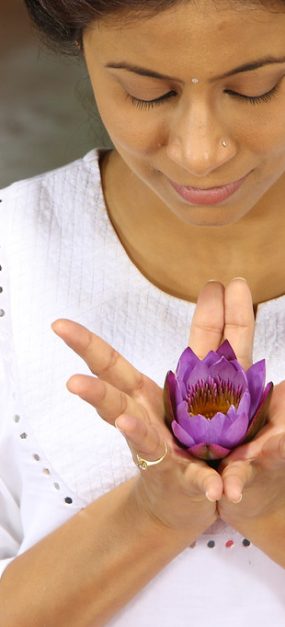
In the Upanishads, the heart is called Hridaya, a word made of three roots: Hri (to receive), Da (to give), and Ya (to move). This perfectly describes the circulatory function thousands of years before modern medicine “discovered” it.
The Hatha Yoga Pradipika and the Yoga Sutras of Patanjali emphasise that a steady mind leads to a steady heart. The ancient sages knew that when the Manas (mind) is agitated, the Prana (life force) becomes erratic, putting undue pressure on the physical heart.
The Chandogya Upanishad, one of the oldest Upanishads, describes it as a “small space in the heart,” a dahara akasha, in which the entire universe exists in seed form.
It is a precise energetic description of what the yogis called the Anahata Chakra, the heart chakra, the fourth of the seven primary energy centres. Anahata literally means “unstruck”, the sound that exists without two objects striking each other. It represents the unconditional, unfailing life-force that the heart embodies.
In yogic practices, Anahata is awakened and balanced by asanas, pranayamas, and meditation, and purified by bhakti – devotion.
Patanjali’s Yoga Sutras (composed around 400 CE) are even more direct. Sutra 1.2 states:
“Yogaś citta-vṛtti-nirodhaḥ”
Yoga is the cessation of the fluctuations of the mind.
Why does this matter for heart health? Because the fluctuations of the mind, anxiety, stress, and chronic overthinking are among the most powerful triggers for cardiovascular events. Every time you’re stuck in traffic, furious at your inbox, or spiralling at 2 AM, your body releases cortisol and adrenaline, your blood pressure spikes, and your heart works harder. Yoga’s primary function, calming the mind, is also one of the most direct interventions available for cardiovascular wellness.
The Science: Can Yoga Really Strengthen Your Heart?
Modern market research and clinical studies are finally backing up these ancient claims. A comprehensive study published in the European Journal of Preventive Cardiology found that yoga provides the same primary cardiovascular risk factor benefits as traditional aerobic exercise, like walking or cycling.
1. Managing Hypertension
Yoga activates the parasympathetic nervous system (the “Rest and Digest” mode). This reduces the production of cortisol and adrenaline, which are primary drivers of high blood pressure.
2. Improving Vagal Tone
Regular practice of yoga improves the tone of the Vagus nerve, which regulates your heart rate. A higher vagal tone means your heart can recover more quickly from stress.
3. Elasticity of Blood Vessels
Specific asanas involve gentle stretching and compression of the chest and limbs. This improves the elasticity of the arteries, making it easier for the heart to pump blood without overexertion.
4. It Improves Lipid Profile
High LDL (bad cholesterol) and low HDL (good cholesterol) are among the key drivers of arterial plaque buildup, the literal clogging of heart arteries. Yoga practice increases HDL levels and reduces LDL levels, decreases atherosclerotic lesions, and reduces the number of arrhythmia episodes.
5. It Activates the Parasympathetic Nervous System
This is the mechanism behind almost everything. When you’re stressed, the sympathetic nervous system (fight-or-flight) dominates, your heart races, your blood pressure rises, and your digestion shuts down. Yoga consistently activates the parasympathetic nervous system (rest-and-digest), the heart slows, the blood pressure normalizes, body heals.
“A disease-free body, a quiver-free breath, a stress-free mind, an inhibition-free intellect, a trauma-free memory, and a sorrow-free soul, this is the birthright of every human being. And yoga is the way.”
~ Gurudev Sri Sri Ravi Shankar
Which Yoga Asanas Are Best for Heart Health?
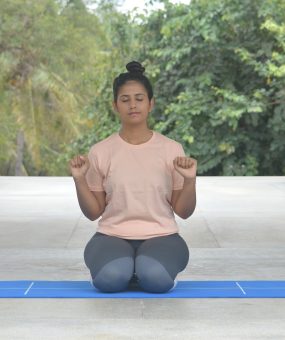
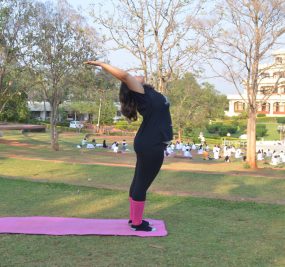
The yoga asanas most beneficial for the heart fall into three categories: heart-opening poses (which physically expand the chest and improve oxygen flow), calming poses (which reduce cortisol and activate the parasympathetic system), and circulation-enhancing poses (which improve blood flow throughout the body).
| Asana | Type | Heart Benefit |
| Tadasana (Mountain Pose) | Foundation | Opens chest, improves posture, regulates breathing, and blood pressure |
| Vrikshasana (Tree Pose) | Balance | Calms the nervous system, broadens shoulders, improves circulation |
| Trikonasana (Triangle Pose) | Heart-opening | Expands chest, promotes deep rhythmic breathing, and increases stamina |
| Veerabhadrasana (Warrior Pose) | Strength + flow | Boosts circulation, builds stamina, reduces stress, and keeps heart rate steady |
| Utkatasana (Chair Pose) | Strength | Stretches and stimulates the chest, strengthens the heart muscle |
| Marjariasana (Cat Pose) | Restorative | Brings heart rate down to a calm rhythm and improves circulation |
| Bhujangasana (Cobra Pose) | Heart-opening | Stretches and opens the chest, invigorates the heart, and relieves fatigue |
| Dhanurasana (Bow Pose) | Heart-opening | Opens and strengthens the heart region, improves whole-body flexibility |
| Setu Bandhasana (Bridge Pose) | Heart + chest | Facilitates deep breathing, stretches the spine and chest, improves blood flow to the chest |
| Sarvangasana (Shoulder Stand) | Inversion | Activates the parasympathetic nervous system, creates space in the chest, and rejuvenates |
| Ardha Matsyendrasana (Half Spinal Twist) | Twist | Works the full spine, opens the sides of the chest, and stimulates the heart |
| Paschimottanasana (Two-legged Forward Bend) | Calming | Bring the head below heart level, reduce heart rate and respiration, and achieve full relaxation |
| Shavasana (Corpse Pose) | Deep rest | Allows body and breath to fully relax; profound stress buster; counterpose for all asanas |
A gentle note: If you have an existing heart condition, please consult your cardiologist before beginning any new yoga practice. Inversions like Sarvangasana should be avoided without guidance. Start slow. Breathe. The keyword in yoga for the heart is gentleness, not intensity.
Which Pranayamas Are Best for the Heart?
If asanas open the heart physically, pranayama opens it energetically, and the two together create something more powerful than either alone.
Nadi Shodhana (Alternate Nostril Breathing). This is arguably the single most heart-protective pranayama available. Alternate nostril breathing balances the left and right hemispheres of the brain, activates the parasympathetic nervous system, stabilizes blood pressure, and has been shown to reduce anxiety, lower heart rate, and improve HRV. It’s 5 minutes of profound cardiovascular support that anyone can do, anywhere, at any age.
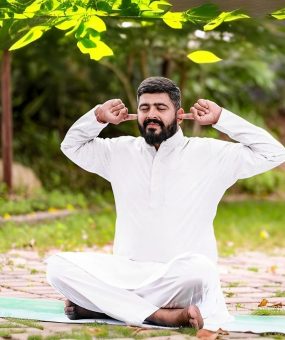
Bhramari (Humming Bee Breath) The vibration of the “mmmm” sound in Bhramari directly stimulates the vagus nerve, the superhighway of the parasympathetic nervous system. When the vagus nerve is activated, heart rate slows, blood pressure drops, and the body shifts into healing mode. This is not soft science. Vagus nerve stimulation has been extensively studied as a treatment for cardiovascular conditions.
What Does the Heart-Mind Connection Look Like in Real Life?
It looks like the person who lies awake at 2 AM is running through tomorrow’s meeting. It looks like the phone-obsessed commuter whose resting heart rate is 88 and who doesn’t know it. It looks like the person who “doesn’t have time to exercise” but somehow manages three hours of screen time each evening.
The heart doesn’t just take physical beatings. It takes emotional ones too, and modern research increasingly confirms what the Upanishads said long ago: the heart and mind are inseparably connected. Chronic loneliness, unresolved anger, and prolonged grief all have measurable, documented effects on cardiovascular health.
Yoga addresses all of it. Not just the muscles and the blood pressure, but the emotional backlog, the chronic anxiety, the disconnection from the body’s own signals. That’s what makes it categorically different from treadmill minutes.
FAQ: Yoga for Heart Health, Your Questions Answered
Q1. Can yoga replace heart medication?
No, and this cannot be stressed enough. Yoga is a powerful complementary practice, not a replacement for prescribed cardiac medication. What yoga can do, over consistent practice, is improve the underlying conditions that made medication necessary: blood pressure, cholesterol, weight, and stress. Many people do reduce their medication dosage over time under medical supervision, but this should only happen with your cardiologist’s guidance.
Q2. Is yoga safe right after a heart attack?
Not immediately, but sooner than you might think. Yoga-based cardiac rehabilitation is an active and growing field. A study in the Indian Heart Journal documented that yoga-based rehabilitation after coronary bypass surgery significantly improved heart function (LVEF), lipid profiles, and reduced stress, anxiety, and depression compared to control groups. But always get clearance from your cardiologist before beginning any program post-cardiac event.
Q3. How many times a week should I practice yoga for heart health?
Consistency matters far more than frequency. Daily practice of even 20–30 minutes, including at a minimum some pranayama and Shavasana, is more valuable than two long sessions per week. For targeted cardiovascular benefits, aim for at least 5 sessions per week.
Q4. Can yoga reduce cholesterol levels?
Yes, particularly through pranayama and the overall metabolic effects of regular practice. Studies have shown significant improvement in lipid profile parameters, including reductions in LDL and improvements in HDL, following regular Sudarshan Kriya Yoga practice. Combine this with a sattvic (clean, light) diet and the effects are even more pronounced.
Q5. I have high blood pressure. Which yoga poses should I avoid?
Avoid intense inversions like Sarvangasana (Shoulder Stand) and Sirsasana (Headstand) without expert supervision. Avoid breath retention (Kumbhaka) and aggressive Kapalbhati initially. Focus instead on Shavasana, Supta Baddha Konasana, Setu Bandhasana (supported), Nadi Shodhana, and Bhramari; these are consistently shown to lower blood pressure safely.
Q6. Is yoga or cardio better for heart health?
Both, ideally. They serve different but complementary purposes. Aerobic exercise strengthens the heart muscle and improves VO2 max. Yoga reduces the stress hormones, regulates the autonomic nervous system, improves HRV, and manages the emotional and lifestyle factors that cardio doesn’t address. Combining 20–30 minutes of yoga with a daily walk is arguably more comprehensive heart care than an intense gym session without any stress management.
Q7. Can yoga help with irregular heartbeat (arrhythmia)?
Research is promising. Studies show that yoga practice is associated with a decrease in atherosclerotic lesions and the number of arrhythmia episodes, generating the need for revascularization. The parasympathetic activation from yoga, especially pranayama, directly helps regulate cardiac rhythm. That said, arrhythmias require medical diagnosis and management; yoga should be an adjunct, not the primary treatment.
Q8. At what age should I start yoga for heart health?
Yesterday. Seriously, the best time is before you have a problem. The second-best time is now. Yoga is suitable and beneficial from childhood through old age. For adults over 50, or those with existing cardiac risk factors, gentler practices like chair yoga, supported poses, Nadi Shodhana, and Bhramari are ideal starting points.
Q9. Does meditation alone help the heart?
Significantly. Meditation reduces cortisol, lowers resting blood pressure, decreases inflammatory markers, and improves sleep quality, all of which have direct cardiovascular benefits. The research base for meditation and heart health is now robust enough that several major cardiology associations have begun including it in their lifestyle recommendations.