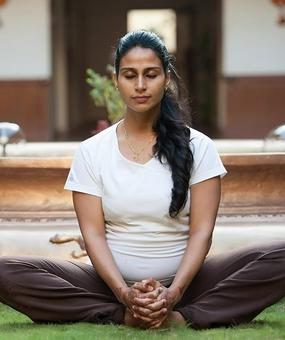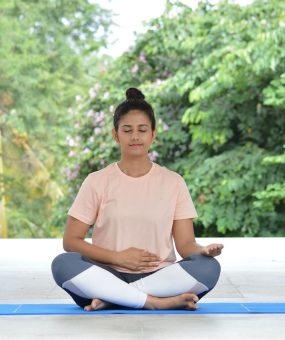


Vikram is standing by the window, staring intensely at a small device on his arm. He looks like he’s trying to solve a complex math problem without a calculator.
“Is the sensor acting up, Vikram?” asks a Sri Sri Yoga teacher, as she prepares the space.
“It’s not the sensor, it’s the numbers,” Vikram sighs. “My fasting sugar is consistently high, even with the meds. My doctor said, ‘Vikram, you need to reduce your stress,’ and handed me a brochure for yoga. But honestly? I’m a man of science. I don’t see how stretching my hamstrings is going to talk to my pancreas. It feels like bringing a knife to a gunfight.”
She laughs gently. “I love that analogy, Vikram. But what if I told you that your pancreas isn’t just a gland—it’s a part of a conversation? When you’re stressed, your ‘Fight or Flight’ system is screaming. It tells your liver to dump sugar into your blood for energy you aren’t using because you’re sitting at a desk. Yoga isn’t just ‘stretching’; it’s a manual override for your nervous system. We aren’t just moving limbs; we’re massaging the engine.”
Vikram looks at his mat. “So, I’m basically doing ‘maintenance’ on my internal organs?”
“Exactly,” She says. “And the breath is the technician. Let’s get to work.”
If you’ve ever felt like Vikram, wondering if yoga for diabetes is just a “feel-good” activity or a genuine clinical aid, this guide is for you. With modern research now validating what the ancient Rishis knew, we can finally map out how to use yoga to control diabetes effectively.

What Do the Ancient Scriptures Say About “Sugar”?
Quite a lot, actually.
Urbanization, stress, sedentary jobs, poor sleep, processed foods — the modern lifestyle is essentially a recipe for metabolic chaos. And here’s the irony: India, the birthplace of yoga, is also one of the most diabetes-burdened nations on earth.
In Ayurveda — the ancient Indian science of life that predates modern medicine by millennia — diabetes was called Madhumeha (madhu = honey/sweet, meha = flow/urine), precisely describing the sweet-urine symptom of high blood glucose. The Charaka Samhita and Sushruta Samhita, foundational Ayurvedic texts compiled over 2,000 years ago, identified it as a prameha — a urinary disorder rooted in poor lifestyle, dietary excess, and mental imbalance.
That last part — mental imbalance — is crucial.
The ancient physicians didn’t separate the mind from the body. They knew stress was metabolic. They knew chronic anxiety disrupted digestion and glucose regulation. And they recommended yoga, pranayama, dietary discipline, and conscious living as the core treatment.
Fast forward to Patanjali’s Yoga Sutras (circa 400 CE). In Sutra 2.16, Patanjali wrote:
“Heyam dukham anagatam” — Future suffering can and should be prevented.
That’s not vague philosophy. In the context of lifestyle disease, it is a direct instruction: intervene before the disease takes hold. Address the root — not just the symptoms.
And what is the root? Patanjali’s framework points squarely at stress, mental turbulence (chitta vritti), and disconnection from one’s body as the origins of physical illness. Yoga — the full eight-limbed practice of asanas, pranayama, pratyahara, and meditation — was designed precisely to address this.
Gurudev Sri Sri Ravi Shankar on health and yoga:
“A disease-free body, a quiver-free breath, a stress-free mind, an inhibition-free intellect — this is the birthright of every individual. And yoga is the way.”
The Science: How Asanas “Talk” to Your Pancreas
Modern market research shows a massive shift toward “Integrative Medicine.” A study published in the Journal of Diabetes Research confirmed that yoga significantly reduces fasting blood glucose and improves insulin sensitivity.
1. It Tackles the Root Cause: Stress
When you’re stressed, your body releases cortisol and glucagon. Glucagon signals the liver to dump more glucose into the bloodstream. More glucose = higher blood sugar. This is true even when you’re not eating, just by being chronically anxious.
Yoga, especially pranayama and meditation, directly lowers cortisol and calms the sympathetic nervous system. Less stress → less glucagon → more stable blood sugar. That’s the loop yoga breaks.
2. It Improves Insulin Sensitivity
A randomized controlled trial among Indians at high risk for diabetes found that yoga participants had significantly greater reductions in weight, waist circumference, and BMI compared to the walking control group. Reducing abdominal fat is one of the most effective ways to improve insulin sensitivity, which means your existing insulin works better, without needing more of it.
3. It Directly Stimulates the Pancreas
Certain asanas, particularly those involving abdominal compression, twists, and forward bends, physically massage the pancreas, liver, and digestive organs. This stimulation is understood to encourage better insulin production and glucose regulation. Asanas that compress and twist the abdomen are generally considered most effective, as they stimulate the pancreas, liver, and kidneys, including Dhanurasana (Bow Pose), Ardha Matsyendrasana (Half Lord of the Fishes Pose), and Mandukasana (Frog Pose).
4. It Supports Weight Management
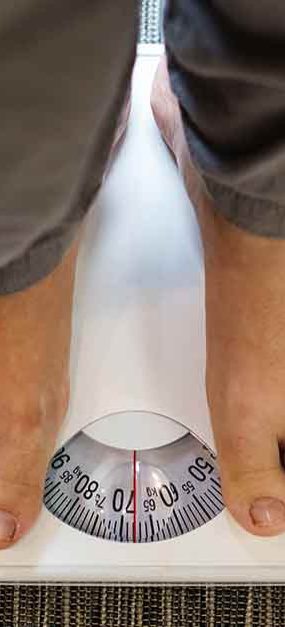
Excess weight, especially around the abdomen, is one of the strongest predictors of Type 2 diabetes. Yoga helps here too, not just as a calorie burner, but by reducing stress-eating, improving body awareness, and supporting a more disciplined daily rhythm.
Best Yoga Asanas to Control Diabetes
| Asana | How It Helps | Good For |
| Mandukasana (Frog Pose) | Compresses the pancreas, stimulates insulin secretion | Type 2, pre-diabetes |
| Dhanurasana (Bow Pose) | Stretches and tones the pancreas, strengthening digestion | Blood sugar & weight |
| Ardha Matsyendrasana (Half Spinal Twist) | Massages all abdominal organs, recirculates blood through the pancreas | Insulin resistance |
| Paschimottanasana (Seated Forward Bend) | Stimulates the pancreas and kidneys, reduces stress hormones | Post-meal sugar spikes |
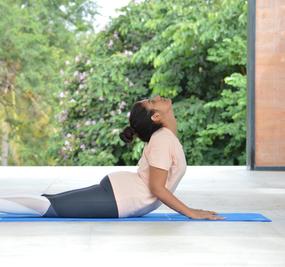
| Bhujangasana (Cobra Pose) | Improves pancreatic blood flow, tones the abdominal region | General glucose control |
| Sarvangasana (Shoulder Stand) | Stimulates the thyroid, regulates hormonal balance | Hormonal diabetes factors |
| Shavasana (Corpse Pose) | Calms the nervous system, stabilizes blood sugar via stress reduction | Daily practice essential |
| Surya Namaskar (Sun Salutation) | Full-body metabolic activation, weight management | Daily warm-up for all |
Note: Please practice under proper guidance, especially if you have complications. Avoid inversions if you have retinopathy or hypertension. Always consult your physician before starting any new exercise practice.
Pranayama: The Breathing Practices That Matter Most
If asanas are the body’s medicine, pranayama is the nervous system’s reset button.
Kapalbhati (Skull-Shining Breath) Forceful exhalations with passive inhalations — this is one of the most researched pranayamas for metabolic health. It stimulates the abdominal organs, improves digestion, generates heat, and helps reduce blood glucose. Even 10 minutes daily can make a visible difference over 6–8 weeks.
Nadi Shodhana (Alternate Nostril Breathing) balances the left and right hemispheres of the brain, activates the parasympathetic nervous system, flushes toxins, and reduces stress hormones. For someone managing diabetes — where stress is both a cause and a consequence — this is invaluable daily practice.
Bhramari (Humming Bee Breath) The vibration of humming directly stimulates the vagus nerve, reducing anxiety and calming the entire nervous system. A 5-minute Bhramari session before bed is one of the best natural blood sugar management tools most people have never tried.
Meditation: The Missing Piece Most Diabetics Overlook
Here’s something that doesn’t get said enough: most diabetics are highly stressed about being diabetic. This anxiety itself keeps blood sugar elevated — creating a vicious cycle.
Regular meditation — even 15 minutes daily — helps break this cycle. It reduces cortisol, improves sleep quality (poor sleep is a significant blood sugar disruptor), and rebuilds the psychological resilience needed to actually stick to healthy habits.
In Ayurvedic terms, it calms Vata aggravation — the root of nervous system overactivity — and restores Ojas, the vital essence that supports immunity and metabolic strength.
Why Sri Sri Yoga Is Particularly Effective for Diabetes Management
Not all yoga is created equal. What sets Sri Sri Yoga apart is its integration of all dimensions of yogic practice — asanas, pranayama, meditation, and the deeper philosophical wisdom — in a structured, accessible format that anyone can follow regardless of age or flexibility.
At Sri Sri School of Yoga, the approach is rooted in the traditional eight-limbed path of Patanjali, combined with the ancient Hatha Yoga wisdom of texts like the Hatha Yoga Pradipika.
If yoga has genuinely transformed your health and you want to take that transformation to others, the 200-Hour Sri Sri Yoga Teacher Training — recognized by Yoga Alliance and certified by the Ministry of AYUSH — trains you to teach this complete system with depth, authenticity, and confidence. Available both in residential and online formats.
FAQ: Yoga for Diabetes — Your Questions Answered
This article is for informational purposes only and is not a substitute for professional medical advice. If you have diabetes, please consult your physician before beginning any new exercise or wellness practice.