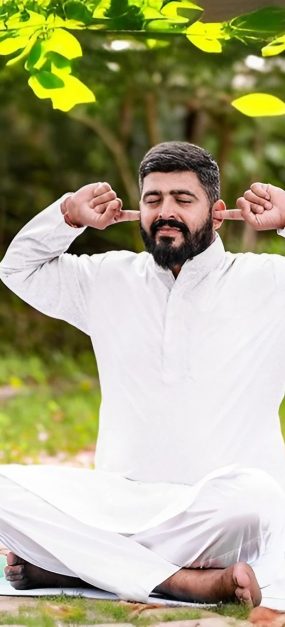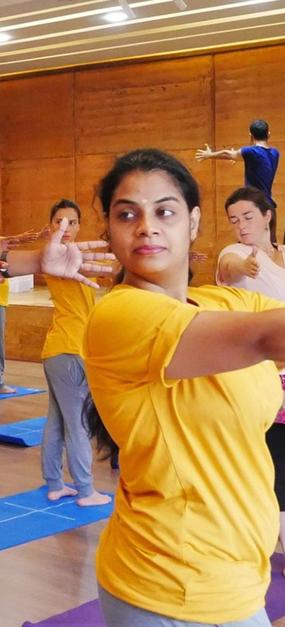


Picture this: It’s a Sunday morning, and instead of everyone scattered across the house glued to screens, your family gathers in the living room. The space is cleared, mats are rolled out, and for the next 30 minutes, you’re not just exercising, you’re connecting in ways that feel deeply nourishing. This is the beautiful reality that yoga at home with family can create.
In our hyperconnected yet somehow disconnected world, families are yearning for meaningful ways to spend quality time together. The ancient practice of yoga offers something profound: a pathway to strengthen not just our bodies, but the invisible threads that bind us to those we love most.
In this article, you’ll discover:
- Why ancient wisdom viewed family practice as essential for spiritual growth
- How home yoga practice has surged by 250% during the pandemic, with 85% of practitioners now choosing home practice
- Practical ways to create a family yoga routine that actually sticks
- The surprising mental and physical benefits are backed by modern research
- How to adapt poses for different ages and abilities
What Did Ancient Texts Say About Family and Togetherness?
Long before modern psychology validated the importance of family bonding, the ancient sages understood something profound. The Vedas, humanity’s oldest spiritual texts dating back over 3,500 years, didn’t just speak of individual enlightenment; they emphasized the collective harmony that comes from shared spiritual practice.
Patanjali’s Yoga Sutras, composed between 500 BCE and 300 CE, outline the Yamas—ethical principles for harmonious living. The first Yama, Ahimsa (non-violence), extends beyond physical harm to encompass creating an atmosphere of kindness and understanding. When families practice together, they’re cultivating compassion, patience, and mutual respect, qualities that ripple through every interaction.
The concept of sangha (community) has always been central to yogic philosophy. This timeless wisdom resonates powerfully today. When we practice yoga as a family, we’re tapping into something our ancestors knew instinctively: that shared spiritual practice strengthens the very fabric of our relationships.
Why Is Home Yoga Practice Booming Right Now?
The landscape of wellness has dramatically shifted. According to recent data, 85% of yoga practitioners now practice at home at least some of the time, and 24% use digital platforms to guide their practice. But here’s what’s truly remarkable: families are leading this movement.
The pandemic served as a wake-up call. A study published in the American Journal of Lifestyle Medicine found that lockdowns created “widespread loss of jobs, the inability of families and friends to socialize, and solitude for several individuals” that profoundly affected mental, physical, and emotional well-being. Families who turned to home yoga found an anchor—a daily ritual that brought structure, calm, and connection during uncertain times.
The statistics tell a compelling story:
- 86% of practitioners report significant stress reduction through regular practice
- 69% experience improved mood and temperament
- Over 45% of people started yoga based on referrals from friends or family
- Children who practiced yoga showed reduced inattention and hyperactivity, completing tasks faster than their peers
What’s driving families to their mats? The answer is beautifully simple: quality time. In a world where the average family shares fewer than 120 minutes of meaningful interaction per week, yoga offers a sanctuary—a tech-free zone where presence matters more than productivity.
Sri Sri School of Yoga understands this shift intimately. Their programs emphasize not just individual transformation but family wellness, recognizing that when one person in a household practices, the positive energy extends to everyone.
How Can You Create a Family Yoga Space at Home?
You don’t need a Pinterest-perfect studio. In fact, 67% of practitioners successfully maintain home practices with minimal equipment. What you do need is intention and a bit of creativity.
The Essential Setup:
| Element | Why It Matters | Simple Solution |
| Dedicated Space | Creates psychological association with practice | Clear a corner of the living room; use the same spot consistently |
| Basic Props | Supports different body types and ages | 2-3 yoga mats, folded blankets, cushions you already own |
| Minimal Distractions | Allows genuine presence | Put phones in another room; turn off TV |
| Natural Elements | Enhances connection to breath and earth | Open a window; add a plant or natural light |
| Inspiring Touch | Makes the space inviting | A candle, soft lighting, or meaningful object |
Remember: The Vedas teach us that sacred space isn’t about external perfection, it’s about the intention we bring. Your living room, cleared of toys and laundry, becomes a temple when approached with reverence and joy.
What Are the Real Benefits for Different Family Members?
Modern research has caught up with what yogis have known for millennia. The benefits of family yoga practice are measurable, significant, and beautifully diverse across age groups.
For Parents: Stress Relief That Actually Works
A 2024 study found that yoga practitioners experienced slight but meaningful improvements in physical function and mental quality of life. But here’s what the statistics don’t capture: the profound relief of having a tool to manage the relentless demands of modern parenting.
When you practice with your children, you’re modeling something invaluable—that self-care isn’t selfish, that breath can calm chaos, and that we don’t have to be perfect to be present.
For Teenagers: An Anchor in the Storm
The teenage years are notoriously turbulent. Research shows that yoga decreases psychological distress in students, leading to better mental health. In family yoga sessions, teens get something rare: non-judgmental time with parents where nobody’s lecturing, checking grades, or asking about college applications.
For Children: Building Healthy Habits Early
Here’s a statistic that should excite every parent: Kindergarten students who practiced yoga twice weekly showed less inattention and hyperactivity and completed tasks faster than their peers. But beyond academic performance, children who practice yoga develop:
- Body awareness and coordination
- Emotional regulation skills
- Confidence in their abilities
- A positive association with movement and health
For Everyone: The Gift of Presence
Perhaps the most profound benefit can’t be quantified. It’s the moment when your seven-year-old giggles in a tree pose and your teenager cracks a joke during partner breathing. It’s the shared exhale after savasana when everyone feels, for a fleeting moment, completely at peace.
What Poses Work Best for Mixed Ages and Abilities?
The beauty of yoga is its infinite adaptability. You don’t need a complex sequence—you need poses that everyone can explore at their own level.
The 20-Minute Family Flow:
1. Circle Breathing (3 minutes) Sit in a circle, hold hands, and breathe together. Parents set the pace; children follow naturally. This simple act synchronizes heart rates and creates an instant connection.
2. Cat-Cow stretch (2 minutes) Everyone loves this one. Children can meow and moo. Parents can exaggerate movements. Grandparents can do gentle versions. It warms the spine and brings smiles.
3. Partner Tree Pose (3 minutes) Pair up (child with parent, siblings together) and balance while holding hands. This builds trust, communication, and laughter when someone wobbles.
4. Family Boat Parade (2 minutes) Sit facing each other in boat pose, touching feet for support. Older family members can hold longer; younger ones can rest when needed. Celebrate everyone’s effort, not perfection.
5. Group Downward Dog Chain (2 minutes) Create a tunnel of downward dogs. The youngest family member can crawl through while others hold the pose. Switch positions so everyone gets a turn.
6. Gratitude Circle (3 minutes) End by sitting together and sharing one thing each person is grateful in the day.
Pro Tip: Don’t aim for perfect alignment. Aim for genuine engagement. When my six-year-old does ‘pizza pose’ instead of triangle pose, celebrate creativity. That’s yoga too—finding joy in movement.
How Do You Actually Make It a Consistent Practice?
Here’s the uncomfortable truth: 85% of people who start home yoga practices quit within the first month. But families who succeed share common strategies that override motivation with systems.
Start Ridiculously Small
Forget 60-minute sessions. Begin with 10 minutes. Patanjali’s sutras teach us dirgha-kala (long time) and nairantarya (no interruption)—consistent practice over time matters more than intensity. Three times weekly for 10 minutes beats Sunday-only marathon sessions.
Create Non-Negotiable Rituals
Link your practice to existing routines:
- Before Sunday brunch
- After Tuesday dinner
- Saturday morning before cartoons
When yoga becomes “what we do on Tuesdays,” decision fatigue disappears.
Rotate Leadership
Let different family members choose poses or lead sequences. Your five-year-old’s “silly yoga” might not look traditional, but their ownership ensures enthusiasm. Teenagers especially respond to being given authority.
Celebrate Micro-Wins
Did everyone show up? Victory. Did someone try a new pose? Celebrate it. Did you practice when you didn’t feel like it? That’s the real success. Ancient yoga philosophy teaches us that the practice itself—not its perfection—is the achievement.
Use Technology Wisely
While family yoga should be screen-free during practice, 74% of practitioners use online resources to supplement their learning. Watch a short video together beforehand to learn a new pose, then put devices away.
Isn’t Group Yoga Better Than Home Practice?
This question comes up constantly, and the answer might surprise you: both have unique, irreplaceable value.
Studio classes offer professional guidance, community energy, and a change of environment. But home family practice offers something unique: intimacy without judgment.
In your living room, your daughter can attempt the crow pose without worrying about falling in front of strangers. Your spouse can take the child’s pose whenever needed without feeling self-conscious. You can pause for a family hug mid-sequence.
Practicing in community settings fosters belonging, but home practice enables deeper self-exploration and family bonding.
The ideal? Both. Studios for learning and community; home for integration and connection. Sri Sri School of Yoga’s teacher training program beautifully addresses this, preparing instructors to support both contexts while honoring what makes each special.
What If Your Family Members Are at Different Levels?
This concern stops many families before they start. Here’s the liberating truth: different levels aren’t a bug, they’re a feature.
When your 10-year-old can do a headstand but you’re still working on touching your toes, they’re learning that adults aren’t perfect. When you can hold a plank but your teenager struggles, you’re teaching humility. When grandma modifies every pose but shows up every time, everyone learns that consistency trumps ability.
The Bhagavad Gita teaches us: “Yoga is the journey of the self, through the self, to the self.” Family yoga extends this, it’s the journey of selves, through shared experience, to deeper connection.
Practical Adaptations:
- For very young children (3-7): Make it playful. Poses become animals. Breathing becomes a game. Keep it to 5-10 minutes.
- For older children (8-12): Introduce challenge and achievement. Can they hold longer? Learn a new pose? They’re building confidence.
- For teenagers: Give autonomy. Let them teach a sequence or choose music. Respect their need for independence within togetherness.
- For seniors: Focus on breath and gentle movement. Chairs are props, not compromises.
The genius of family yoga is that it meets everyone where they are while moving everyone forward together.
Transform Your Practice Into Your Profession
Have you discovered the profound joy of sharing yoga with your family? Imagine extending that gift to your community. Sri Sri Yoga Teacher Training offers a comprehensive, traditionally-rooted program that goes beyond asanas to embrace yoga as a holistic life science—perfect for those called to guide others on this transformative path. Their curriculum honors ancient wisdom while addressing modern needs, preparing you to teach not just poses, but presence.
Frequently Asked Questions
How long should a family yoga session be?
Start with 10-15 minutes, especially with young children. Research shows that consistency matters more than duration. As your family builds the habit, gradually extend to 20-30 minutes. Listen to your family’s energy—some days will be longer, others shorter. The goal is sustainable practice, not perfection.
What if one family member doesn’t want to participate?
Never force participation; it creates resistance. The Yoga Sutras teach us abhyasa (steady practice) and vairagya (non-attachment). Practice with whoever shows up. Often, the reluctant family member will eventually join out of curiosity or FOMO. One mother shared: “My teenage son refused for three months. Then one Sunday, he just joined us. Two years later, he’s the most dedicated practitioner in the house.”
Do we need special equipment or a lot of space?
Not at all. A few mats, enough space for everyone to extend their arms without touching, and a genuine intention are enough. The Vedas remind us: sacred space is created by reverence, not by purchasing power.
Can we practice yoga if we have different religious beliefs?
Absolutely. While yoga has Hindu roots, its practices are universal tools for well-being, not religious doctrine. Millions of practitioners from all faiths and backgrounds embrace yoga as a complementary wellness practice. Focus on breath, movement, and presence—these transcend religious boundaries.
What’s the best time of day for family yoga?
Traditional yogic wisdom recommends early morning (Brahma Muhurta), but modern family life demands flexibility. The best time is the time you’ll actually practice. Some families love Sunday morning rituals. Others prefer weeknight wind-down sessions. Experiment and notice what sticks. After-dinner practice helps with digestion and creates a calm transition to bedtime.
How do we keep children engaged and prevent boredom?
Make it playful and varied. Studies show children respond best to gamified, story-based yoga. Change themes weekly: animal adventures, superhero poses, nature journeys. Keep sessions short. Let children teach poses they invent. Most importantly, celebrate effort over perfection. When it’s fun, engagement follows naturally.
Can yoga help with family conflicts and communication?
Remarkably, yes. The practice of synchronizing breath and moving together creates neural pathway changes that enhance empathy and emotional regulation. Families report improved communication, fewer arguments, and greater patience with each other. The shared vulnerability of trying challenging poses builds mutual respect and understanding.
What if we miss sessions? Does consistency really matter?
Patanjali’s sutras emphasize nairantarya (uninterrupted practice) not because perfection is required, but because rhythm creates transformation. That said, life happens. 85% of practitioners miss sessions occasionally. What matters is returning without judgment. Miss Tuesday? Show up on Thursday. The practice is always waiting, without criticism.
Are there any safety considerations for home practice?
Yes, though yoga is remarkably safe with injury rates of just 0.60 per 1,000 hours of practice—lower than most activities. Key guidelines: warm up gradually, never force into pain, supervise children closely in inversions, and create a clear space free of obstacles. If anyone has injuries or health conditions, consult healthcare providers before beginning. Props and modifications make most poses accessible to all abilities.
How can we deepen our practice beyond basic poses?
Start integrating pranayama (breathwork) and brief meditation. Share inspirations from texts like the Yoga Sutras. Attend family workshops or retreats when possible. Consider studying with a certified teacher through programs like Sri Sri Yoga Teacher Training to deepen your own understanding. Many families find that as their practice matures, they naturally explore yoga’s philosophical dimensions, enriching both individual growth and family discussions.
Your Family’s Journey Begins on the Mat
The ancient rishis who revealed the Vedas, the sage Patanjali who codified the Yoga Sutras, and modern researchers studying family wellness all point to the same truth: we heal together better than we heal alone.
In a world pulling families apart through a thousand competing demands, yoga offers something radical – a daily choice to come together, to breathe together, to be together with intention and presence.
You don’t need perfection. You don’t need a special space or expensive gear. You don’t need everyone to be equally enthusiastic on day one. You just need to unroll a mat, take a breath, and begin.
Because here’s what an increase in home yoga practice during the pandemic revealed: families were desperate not just for exercise, but for ritual. For connection. For something that felt both ancient and utterly necessary.
Your living room can become that sacred space. Your Sunday mornings can become that cherished ritual. Your family can become that community where everyone belongs exactly as they are.
Togetherness is our natural state. We’ve just forgotten how to access it. Yoga—this gift from ancient sages to modern families—shows us the way back.
Roll out your mat. Call your family. Take a breath together.
The journey of a thousand poses begins with a single inhale.
Ready to dive deeper? Explore how Sri Sri School of Yoga’s approach honors both ancient tradition and modern family dynamics. Whether you’re beginning your own practice or considering sharing this gift professionally, their teachings illuminate the path toward presence, connection, and transformation.
Namaste—the light in me honors the light in you, and the light in us honors the light in our family.